Pilot Product · In Batch Production
Hot-Cutting & Sealing Knife System
Current-adjustable heating control for film and bag-making machinery. The blade reaches and holds your set point — so the seal closes and the cut cleans, shift after shift. Configured to your blade, your machine, your line.
The Problem It Solves
When the blade temperature won't hold, nothing downstream holds either.
Inconsistent seals and cuts
Fixed-power blades run hot or cold with line speed and material batch — leading to burned film, weak seals, and rework at the bag machine.
No way to tune for the material
Every film — PE, PP, laminated, woven — cuts and seals at a different energy. Without an adjustable setting, operators compensate by slowing the line.
Flying blind on status
When a blade stalls or a fault develops mid-run, an unmonitored heater keeps pushing current — scrap, downtime, or a damaged blade assembly.
How It Works
Set the energy. The blade holds it.
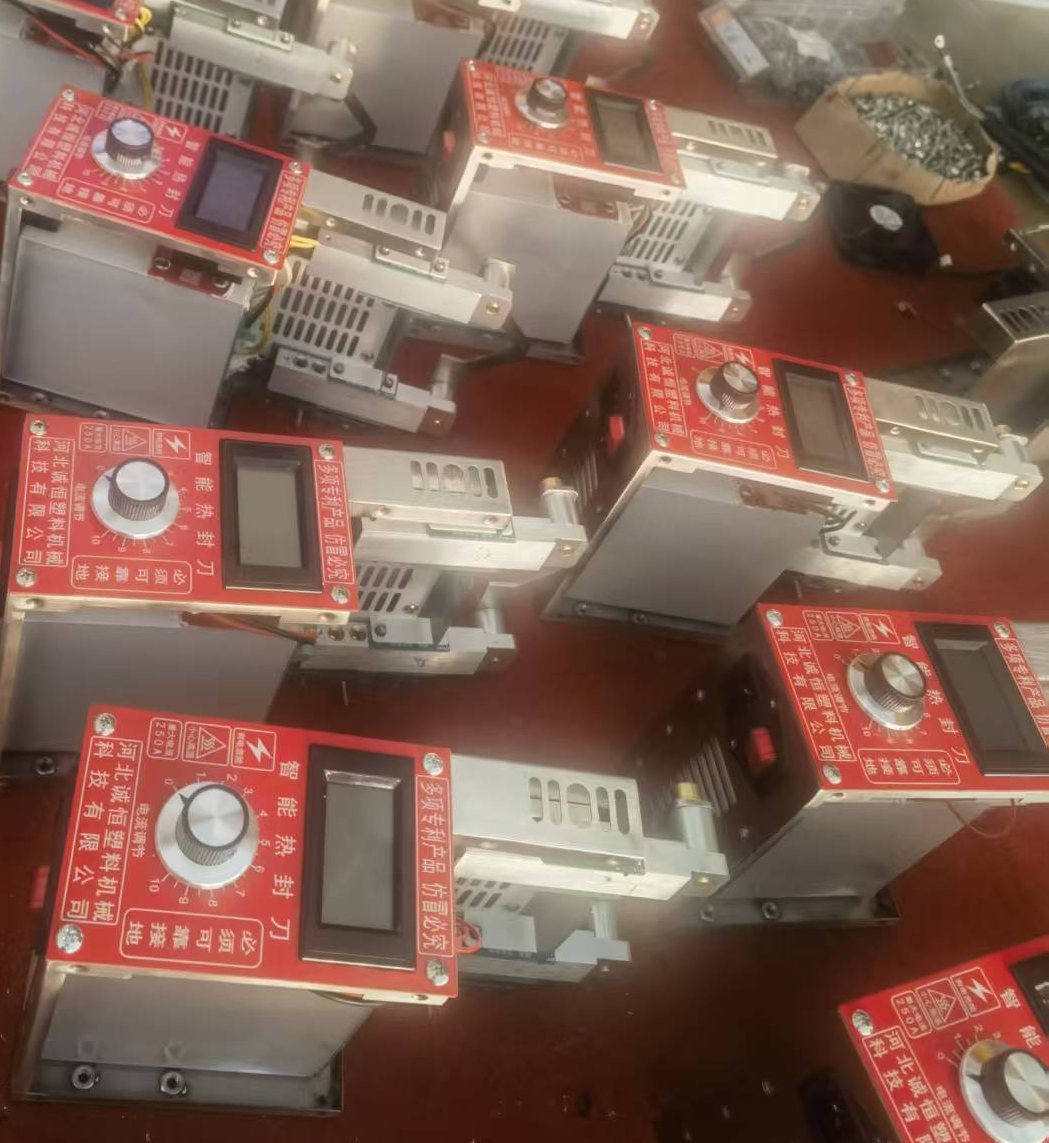
The controller drives the hot-cutting blade with a current level you set on the 0–10 dial, shown on the LCD status display. Higher settings deliver more heating energy for thicker or faster-moving material; lower settings suit fine film and delicate work.
Built-in protection watches the system while it runs: stall protection cuts output if the drive stops turning, fault indication alerts the operator, and the unit is designed for reliable grounding in daily operation.
Because it is a control unit plus blade assembly, it integrates into your existing machine instead of forcing a line change — the same approach we take to every custom adaptation.
See It Run
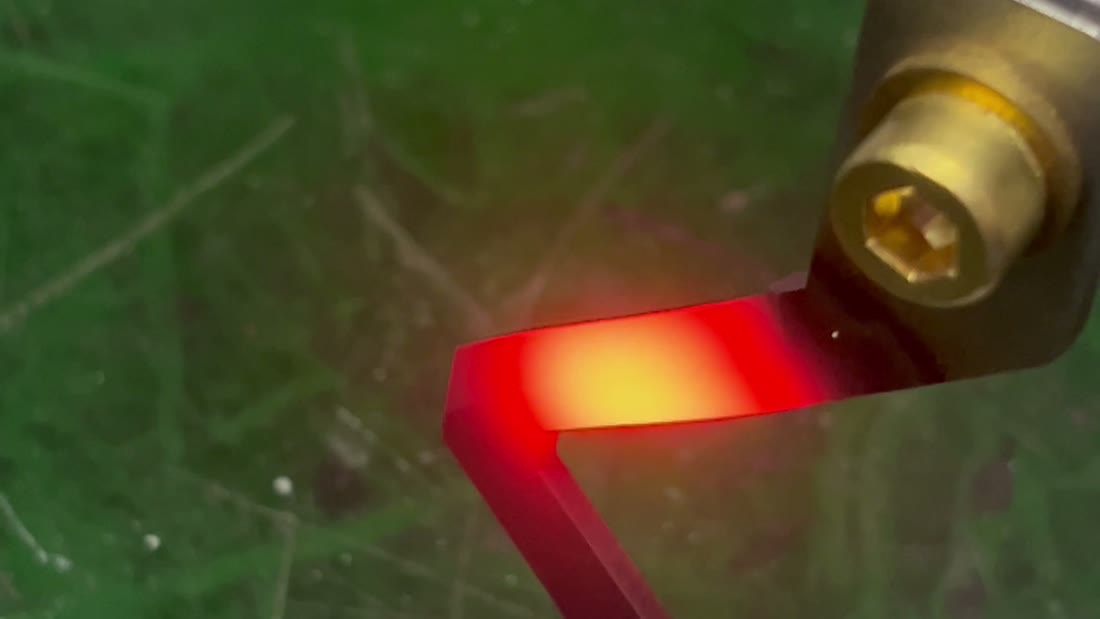
The head, heating on our bench.
Unretouched bench footage of the heating head — power-up on the left, steady operating temperature on the right. This is the same head that ships on production units.


Customization
"Custom" here is a method — not a paint job.
The pilot product ships in a proven standard configuration. Everything below is a decision we make with you — it can be configured at order time or engineered as a variant.
Current range & dial scale
Output ceiling and dial mapping matched to your material spectrum — calibrated, not guessed.
Blade width & geometry
Blade carrier length, cutting edge profile, and mounting per your machine's sealing station.
Machine interface
Mounting pattern, connectors, and cabling to drop into your bag-making or converting line.
Control integration
Linkage with your HMI/PLC — remote set-point, interlocks, status feedback to your panel.
Protection & alarms
Stall protection, fault signalling, and thermal safeguards arranged to your safety standard.
Panel language & branding
Operator panel text in your market's language; OEM branding options for machine builders.
Supply voltage & plugs
Input voltage and plug standards matched to the destination market of your machinery.
One-off to repeat supply
A single configured unit or repeat batches of the same build — the batch process already exists.
Specifications
Key specifications.
| Parameter | Value |
|---|---|
| Maximum output current | 250 A (panel-rated) |
| Current adjustment | 0–10 dial, operator-set |
| Status display | LCD, front panel |
| Protection | Stall protection · fault indication · high-voltage start interlock |
| Grounding | Reliable grounding required (marked on panel) |
| Heating head | Patented design · engineered for continuous duty |
| Safety markings | Live-part & hot-surface warnings on panel |
| Supply voltage | Confirmed at quotation (market-dependent) |
| Blade width / geometry | Per your sealing station — configured at order |
| OEM branding | Available for machine builders |
Values above are read from the production unit shown. A full datasheet is issued with every quotation.
Gallery
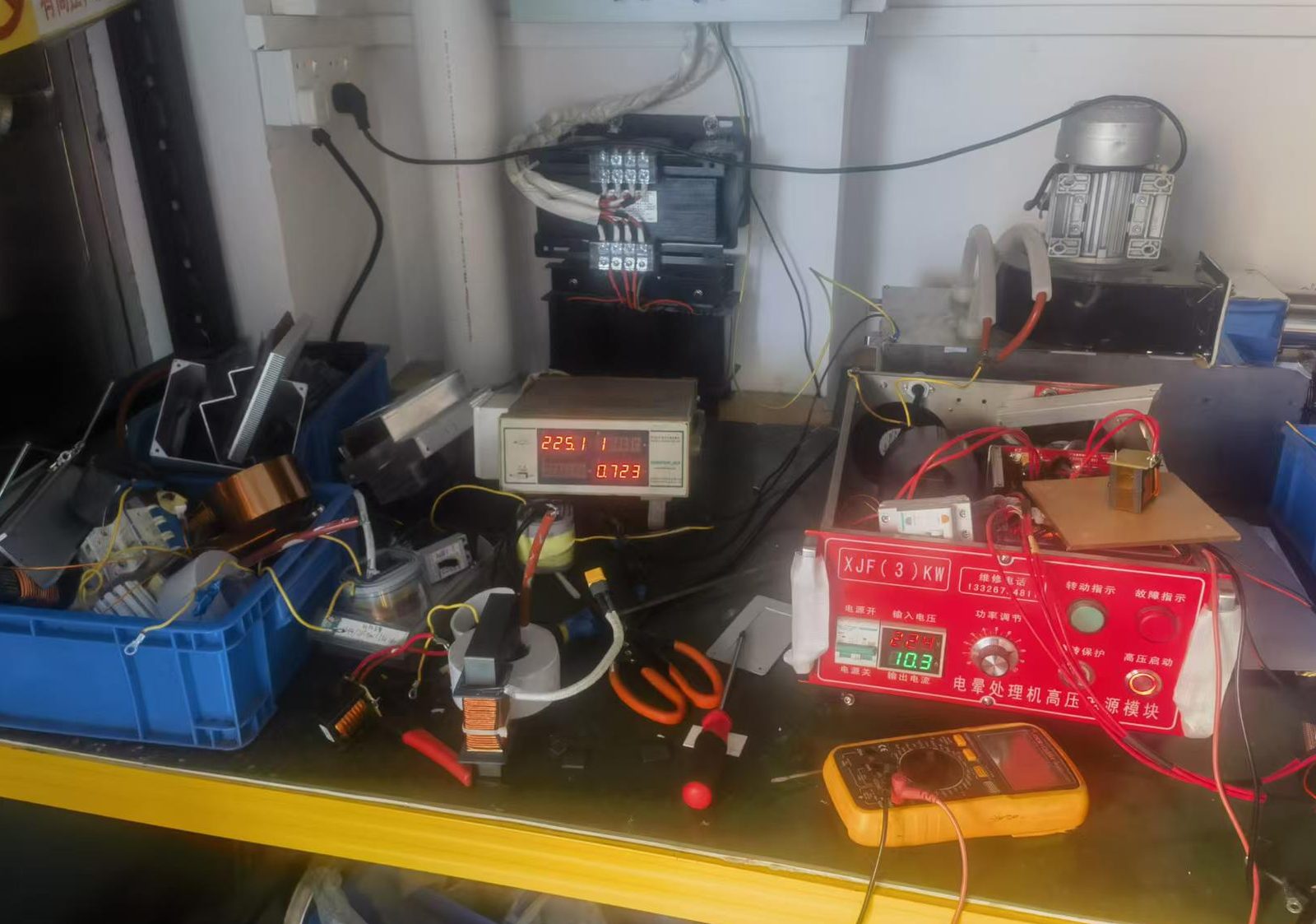
The unit, on the line.
Options
Configurations and what they change for you.
Start Here
What we need from you.
Five items — rough is fine. An engineer turns them into a configuration and a quotation.
- 01Your application — film type, bag type, or converting process.
- 02Material and width — what the blade must seal or cut.
- 03Machine interface — where and how the unit mounts, line speed if known.
- 04Quantity and timing — one unit, a batch, or repeat supply.
- 05What you have — drawings, photos of the station, or the old unit.
Missing some of these? Send what you have — we'll ask for the rest in one reply, not a long email chain.
Request a QuoteFAQ
Before you ask.
Every order is quoted after an engineering review of your application — blade, material, and interface determine the configuration. You receive a firm quotation with what's included; early-stage budget ranges are available on request.
Standard configurations ship from batch production; engineered variants add design and validation time. You get a realistic schedule with the quotation — before you commit.
The head is a patented structure and the part we engineered most deliberately — built for long, stable service in continuous duty. We are deliberately conservative with life figures: share your duty cycle and material, and we will give you a straight engineering answer, including what comparable lines experience in the field.
Yes — OEM/ODM is a standard path for machine builders: faceplate branding, panel language, and interface options agreed at order time.
Your files stay confidential and are used only to engineer your configuration. An NDA is available on request before you send anything sensitive.
Units ship with operating documentation; configuration and wiring questions are answered by the engineers who built the system — in English, with remote support options.
Need this blade to behave on your line?
Send the application and what you have. An engineer replies with configuration options — or with the honest answer that you need a different approach.